
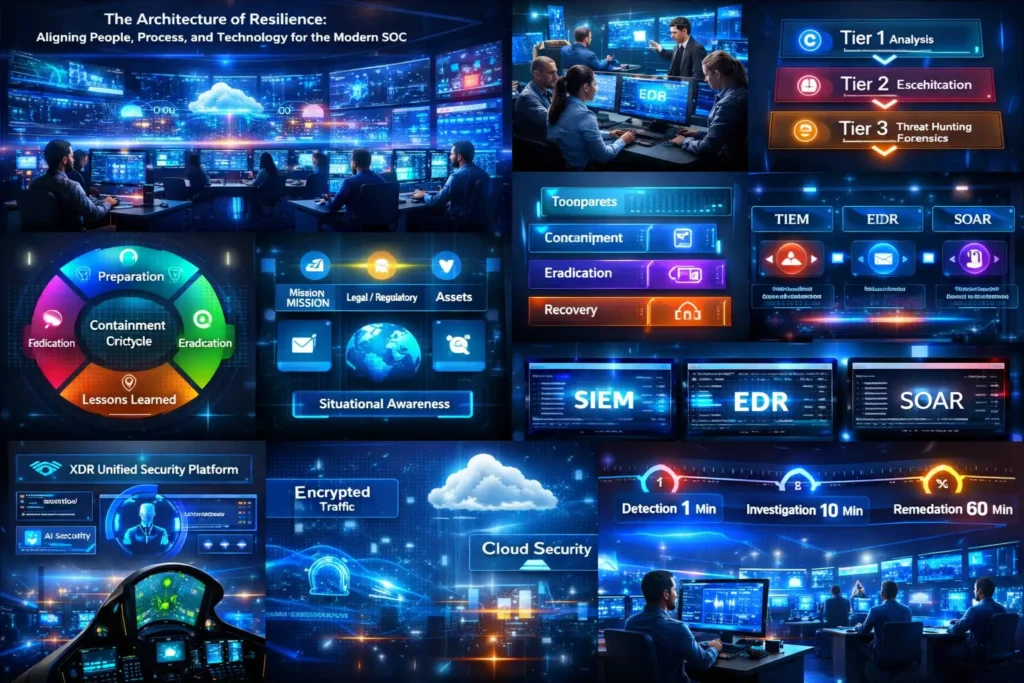
In the current landscape of the “digital tsunami,” characterized by a relentless growth of the attack surface across cloud, OT, and 5G, traditional Security Operations Centers (SOCs) are being pushed to their limits. Organizations today face an average of 4,500 alerts daily, leading to a state where 97% of security analysts fear missing a critical threat due to overwhelming noise. To combat this, building an effective SOC is no longer a matter of simply purchasing the latest tool; it requires a strategic alignment of people, processes, and technology functioning at high speed.
1. The People Pillar: Solving the Human Capital Crisis

People are the most critical element of the triad, yet they represent the greatest challenge. As of 2025, there remains a staggering 4.8 million unfilled cybersecurity positions globally. To build an effective team, organizations must move beyond looking for perfect candidates and instead focus on “growing their own” talent.
Hiring and Skill Development
Successful organizations hire for passion and curiosity rather than just a list of technical certifications. The “T-shaped” professional—someone with a broad literacy of IT and deep expertise in one specific area—is the gold standard for SOC recruitment.
To bridge the gap, organizations are increasingly aligning their training with recognized frameworks like the Cisco Cybersecurity Associate (formerly CyberOps Associate). This certification validates the foundational skills necessary for monitoring and responding to threats using a mix of theory and hands-on lab work in environments like Kali Linux or Security Onion. As the field evolves, the curriculum has expanded to include AI-driven threats, cloud security, and zero-trust models.
Structure and Retention
The hierarchy of a SOC typically utilizes a tiered structure:
- Tier 1 Analysts: The front line, responsible for continuous monitoring and initial triage based on predefined playbooks.
- Tier 2 Analysts: Perform in-depth investigations, handling complex escalations such as data exfiltration or malware infections.
- Tier 3 Analysts: Subject matter experts who conduct proactive threat hunting and digital forensics.
Retention is bolstered by providing a clear career progression path and paying fair market value. Analysts often stay when they feel part of a cohesive team and are given the freedom to solve interesting challenges. Regular “hot washes” or post-incident reviews provide evidence that their individual efforts have a tangible impact on the mission.
2. The Process Pillar: Standardizing the Operational Blueprint

Process provides the roadmap that ensures human intuition is applied consistently and technology is utilized efficiently. Without standardized processes, a SOC lacks repeatability and legal defensibility.
The Power of the Charter
Strategy 2 of building a world-class SOC is to give the SOC the authority to do its job. This is codified in a written charter signed by the organization’s chief executive. A charter prevents political conflicts by explicitly granting the SOC the right to collect logs, enact changes during an incident, and procurement resources.
Frameworks and Situational Awareness
Effective SOCs align with industry-standard frameworks like NIST SP 800-61 or the SANS PICERL (Preparation, Identification, Containment, Eradication, Recovery, and Lessons Learned) cycle. Alignment with the NIST Cybersecurity Framework (CSF) 2.0 is increasingly vital, as it emphasizes continuous improvement and risk management over static cycles.
A fundamental process is maintaining Situational Awareness (SA), which MITRE organizes into five pillars:
- Mission: Understanding what “keeps senior leaders up at night,” such as the theft of intellectual property or service availability.
- Legal/Regulatory: Knowing the compliance requirements (e.g., GDPR, HIPAA, PCI DSS) that mandate data protection and breach notification.
- Technical Environment: Maintaining a composite inventory of all real and virtual assets.
- Users: Defining “normal” behavior to spot deviations, such as an executive logging in from an unusual geographic location.
- Threat: Understanding the tactics, techniques, and procedures (TTPs) of likely adversaries using models like MITRE ATT&CK.
Measuring for Improvement
A world-class SOC must measure performance to improve performance. Metrics should be balanced across tactical quality (e.g., true/false positive ratios), operational efficiency (e.g., time to respond), and strategic risk (e.g., monitoring coverage breadth).
3. The Technology Pillar: Enabling Visibility and Speed
Technology acts as a force multiplier, allowing a small team of analysts to defend an entire enterprise. However, tools must be carefully selected to match the specific threat environment.
The Stack: SIEM, EDR, and SOAR
- SIEM (Security Information and Event Management): The cornerstone of the SOC, SIEM platforms collect, aggregate, and correlate billions of daily events to find the “needle in the haystack”.
- EDR (Endpoint Detection and Response): Acting like an “always-on camcorder” on the host, EDR provides deep visibility into process execution, registry changes, and network connections that traditional antivirus misses.
- SOAR (Security Orchestration, Automation, and Response): These platforms automate repetitive triage tasks—such as checking a suspicious URL against threat intelligence—reducing “alert fatigue” and allowing analysts to focus on high-impact work.
The Shift to XDR and AI
To eliminate data silos, many organizations are moving toward Extended Detection and Response (XDR), which unifies telemetry across endpoints, network, and cloud into a single “attack story”. In 2025, the integration of Generative AI “Copilots” is transforming guided response. These AI frameworks can autonomously triage incidents, recommend remediation actions (like containing an account or isolating a device), and provide summaries to human analysts, achieving high precision in malicious event identification.
Visibility Challenges: Encryption and Cloud

Modern technology deployment must account for data visibility gaps. With the rise of encrypted traffic (HTTPS/TLS 1.3), traditional payload inspection is becoming less effective. SOCs must adapt by using Encrypted Traffic Analytics (ETA) or techniques like JA3 fingerprinting to identify malware patterns within encrypted channels without needing to decrypt the data. Furthermore, as assets migrate to the cloud, the SOC must prioritize monitoring the cloud control plane and serverless infrastructures where traditional “gates and guards” do not apply.
The Strategic Alignment: High Operational Tempo
The ultimate goal of aligning these pillars is to achieve a high operational tempo. This is often measured by the 1-10-60 rule: detecting an intrusion within 1 minute, investigating it within 10 minutes, and remediating it within 60 minutes.
Alignment is maintained through a continuous feedback loop. Threat hunting (Strategy 11) is used to uncover quiet intrusions that automated detections missed. Findings from these hunts are then fed back into the Technology pillar (to create new SIEM correlation rules) and the Process pillar (to update response playbooks).
Future-Proofing the SOC
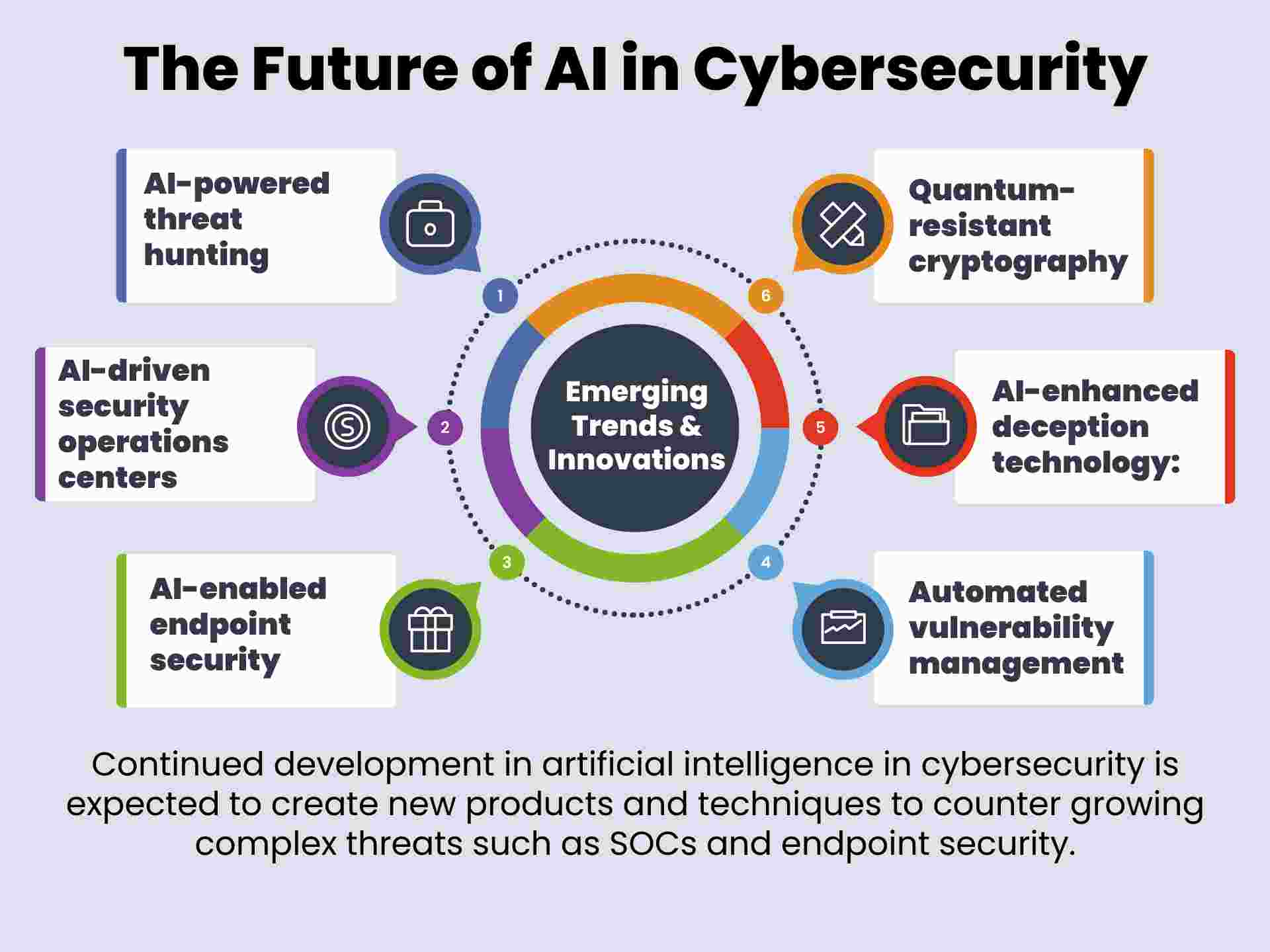
As we look toward 2026, the SOC is transitioning into the “CyberOps” model, where Agentic AI plays a larger role in autonomous defense. Cisco’s rebranding of its certifications from “CyberOps” to “Cisco Cybersecurity” reflects this shift toward a more holistic, AI-literate workforce that can operate in hybrid, zero-trust environments.
Analogy: Building an effective SOC is like operating a high-performance jet on a 24-hour mission. The People (pilots) are the highly trained decision-makers who must manage fatigue and maintain focus. The Processes (flight checklists and air traffic protocols) ensure that even in the “fog of war” or during mechanical failure, every action is predictable and safe. The Technology (the aircraft’s sensors, radar, and autopilot) provides the visibility to “see” miles ahead into the dark and automates the routine flight path so the pilot can focus on the mission objective. Only when the pilot, the checklist, and the radar are in perfect sync can the aircraft successfully navigate a hostile airspace and reach its destination.